Write your day-trip packing list on paper, then ask an AI assistant to check it against the arrangements you have confirmed. Have it separate required items from suggestions and unanswered questions. Keep the paper list beside the bag so you can tick off things you have actually packed.
This workflow suits a class, a visit or another ordinary day away. You can start with the complete photography-workshop example below. The details and sample answer are original practice material, not a record of a real trip or a measured AI result.
Print the blank six-section sheet · Print the filled example · Download the complete prompt. The print sheets fit A4 or US Letter in portrait orientation.
My recommendation is to use AI for the awkward second look at a list: duplicates, missing dependencies and unanswered questions. I would keep the final packing check on paper beside the bag. The useful handoff is a checked list you can act on; a longer answer with more suggestions can make that job harder.
Write the facts before asking for a list
Put the activity, time away and transport at the top of the sheet. Copy equipment requirements from the organizer's message. Note anything provided, then write what you already intend to bring. Mark missing details as questions. A blank lunch arrangement should stay a question until you have checked it.
You can type these short notes directly. If you use a photograph, first check the transcription against your handwriting. Leave booking references, home addresses and other unnecessary private details out of the prompt.
Copy this prompt to try the workflow
Paste the whole block into a text-based AI assistant. After trying the example, replace the labeled input lines with your own trip details. OpenAI's prompting guidance recommends specific instructions, enough context and reviewing the response before refining the request.
Help me check a paper packing list for a day trip. Use only the facts below.
1. Keep every listed item unless it is an exact duplicate or explicitly provided. Explain removals.
2. Add an item required by a stated fact, with the reason. Put any other ideas under Optional suggestions, not the confirmed list. Limit those suggestions to three.
3. Do not invent weather, facilities, baggage rules or quantities. Put missing information under Questions to check.
4. Return a checkbox packing list, removals with reasons, questions, and departure-day actions. Do not mark anything packed.

TRIP: Saturday, indoor photography workshop, 09:00 to 17:00. Train there and back; home that evening.
CONFIRMED: Tutor requires a camera, compatible memory card and charged camera battery. Tutor provides a tripod. My train ticket is on my phone.
PAPER LIST: camera; memory card; camera battery; battery charger; notebook; pen; water bottle; notebook; tripod.
UNKNOWN: Lunch arrangements, charging sockets at the venue, and weather during the walk from the station.
PERSONAL CHECK: I will add any personal essentials myself before packing.
Compare the answer with the paper
A useful answer would preserve the charger even though sockets are unconfirmed: it was on the supplied list. It would flag the sockets question instead of assuming either availability or absence. Check every removed item as carefully as every addition.
| What appears in the answer | What to verify | Your action |
|---|---|---|
| One notebook | Both original entries meant the same notebook | Keep one checklist line |
| No tripod to pack | The tutor's message says it is provided | Confirm before crossing it out |
| Phone added | The ticket is stored on the phone | Add it and check ticket access |
| Rainwear or lunch added as required | Weather and lunch are still unknown | Move them to questions or optional suggestions |
| Items already ticked | The assistant has not inspected the bag | Clear the ticks; pack and check yourself |
Use this sample output as a comparison
Wording will vary between tools and runs. Compare the contents and reasons, rather than expecting an identical answer.
Packing list (all unchecked)
[ ] Camera
[ ] Compatible memory card
[ ] Charged camera battery
[ ] Battery charger
[ ] Notebook
[ ] Pen
[ ] Water bottle
[ ] Phone (added because the train ticket is on it)

Removed: repeated notebook entry; tripod because the tutor provides it.
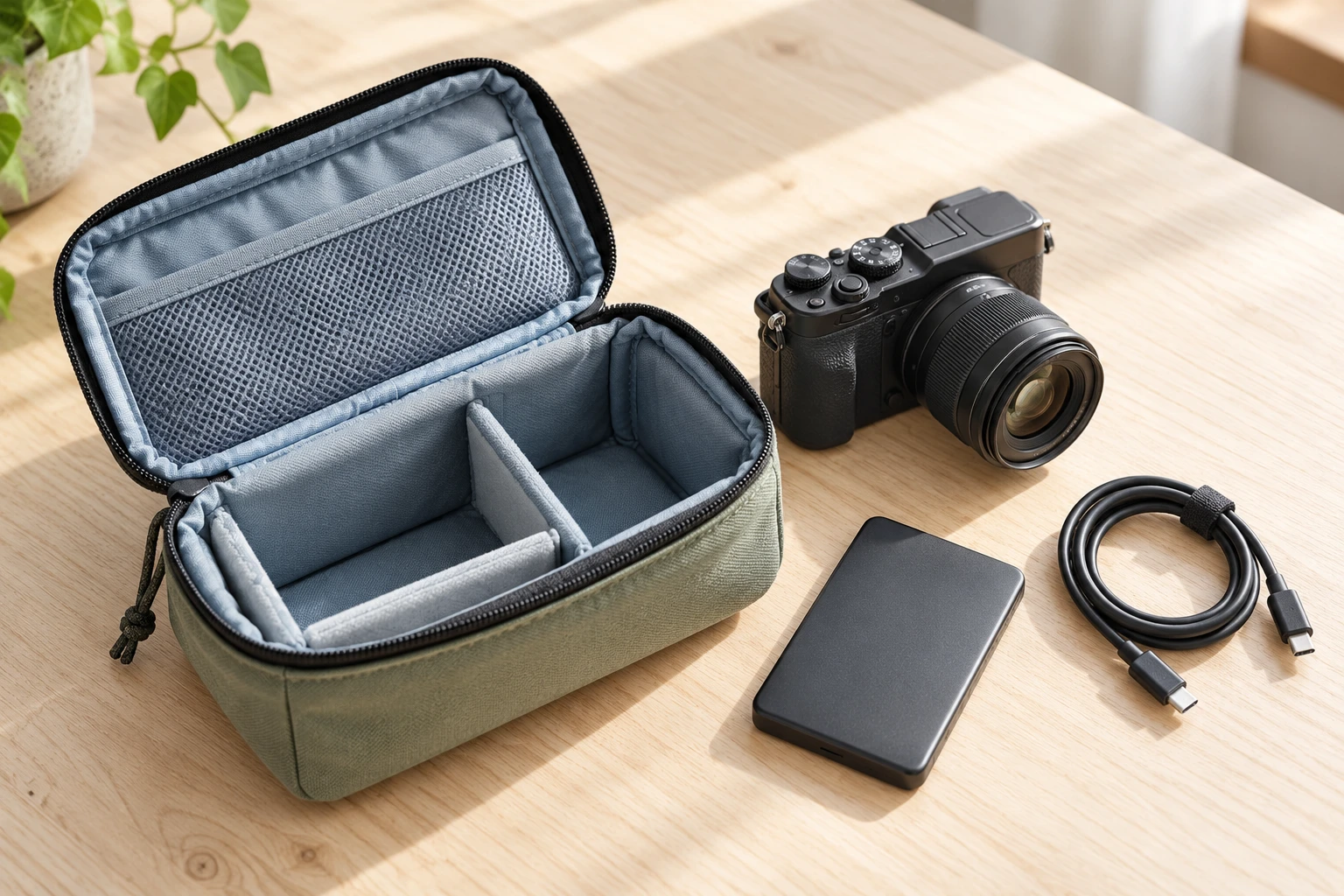
Optional suggestion: a protective camera bag, if needed.
Questions: Is lunch provided? Are charging sockets available? What is the forecast for the station walk?
Departure-day actions: charge the camera battery and phone; confirm the ticket can be opened; fill the water bottle; check personal essentials separately. Tick each item only after putting it in the bag, or in the pocket you will use.
Resolve questions and finish packing
Check the organizer's information for lunch and venue facilities. Look up the forecast for the actual day and place. Write each confirmed answer on the paper, then decide what changes. If the model confidently supplies those facts without evidence, remove them. Google's Gemini guidance explains that responses can present inaccurate information as fact.
Keep any personal essentials on your own checklist. An assistant cannot establish that a short list covers your individual needs. Before leaving, check the physical items and the ticket yourself. A charger in the bag does not confirm that a battery is charged or that a socket will be available.
After returning, note anything you missed or carried unnecessarily. Save the sheet for a similar trip, keeping the confirmed requirements and open questions visible. Refresh the date-specific details next time. For a wider plan, use the separate paper-and-AI weekly planning workflow.